

Introduction: From Static Pages to Smart Experiences
A decade ago, most business websites were simple, static digital brochures — they displayed information, but didn’t interact, learn, or adapt.
Fast-forward to 2025, and the game has completely changed. AI and automation have revolutionized how websites are built, optimized, and maintained.
Today’s business websites don’t just exist — they think, react, and evolve. From generating layouts in seconds to predicting user behavior, automation and AI merge creativity with efficiency, enabling a new standard of intelligent, adaptive web experiences.
At Xsquare, we help businesses transform their traditional websites into self-optimizing digital systems — ones that continuously analyze data, learn from users, and enhance performance automatically. This transformation is not just technical; it’s strategic. It’s about using AI automation to create websites that think, not just display.
AI-Powered Code Generation and Development Efficiency

The way developers build websites has changed dramatically. AI automation tools are now core to modern development, helping engineers generate code faster and more accurately than ever.
Platforms like GitHub Copilot and ChatGPT assist developers by automatically generating clean, functional code for repetitive components. This allows teams to focus on creativity, usability, and strategy, rather than manual coding.
Benefits:
- Accelerates project timelines by over 40%
- Reduces bugs and technical errors through predictive AI suggestions
- Enables low-code and no-code development for startups and SMEs
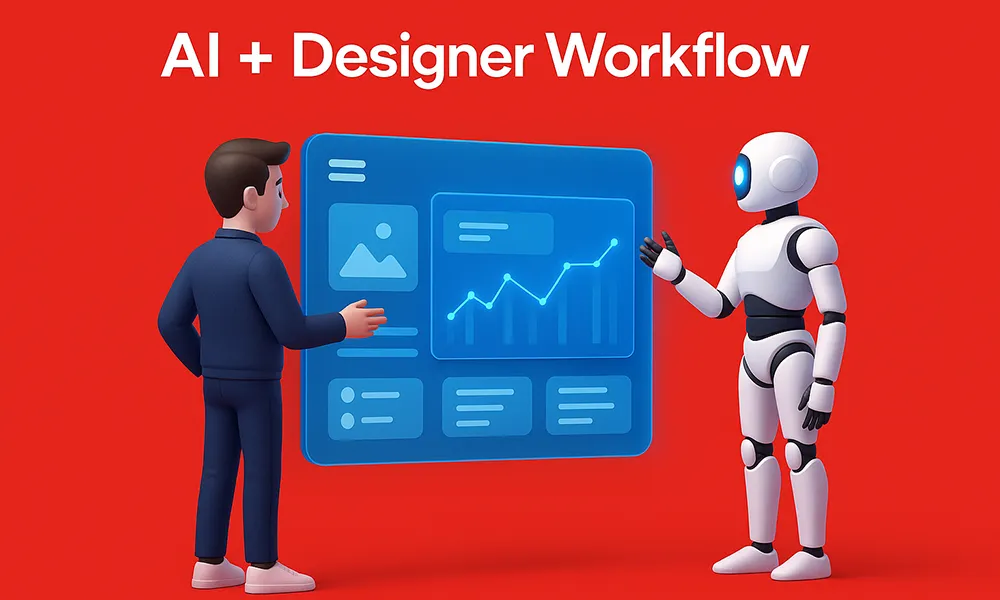
- Boosts collaboration between designers, developers, and automation tools
The result is faster deployment, smoother workflows, and better-quality outcomes — without compromising innovation.
AI in Design and User Experience (UX)
Web design has entered a new era of personalization and intelligence. Automatic AI tools can now generate color palettes, typography, and layouts based on a brand’s identity, audience, and even emotional tone.
AI analyzes user behavior, scroll depth, and eye-tracking data to refine layouts in real time. It understands what users engage with most and dynamically adjusts design elements to keep them exploring longer.
This means every page isn’t just designed — it’s data-driven, responsive, and human-centered. Businesses that adopt AI-driven UX design see higher engagement rates and improved customer satisfaction.
Automation Pipelines for Smarter Workflow
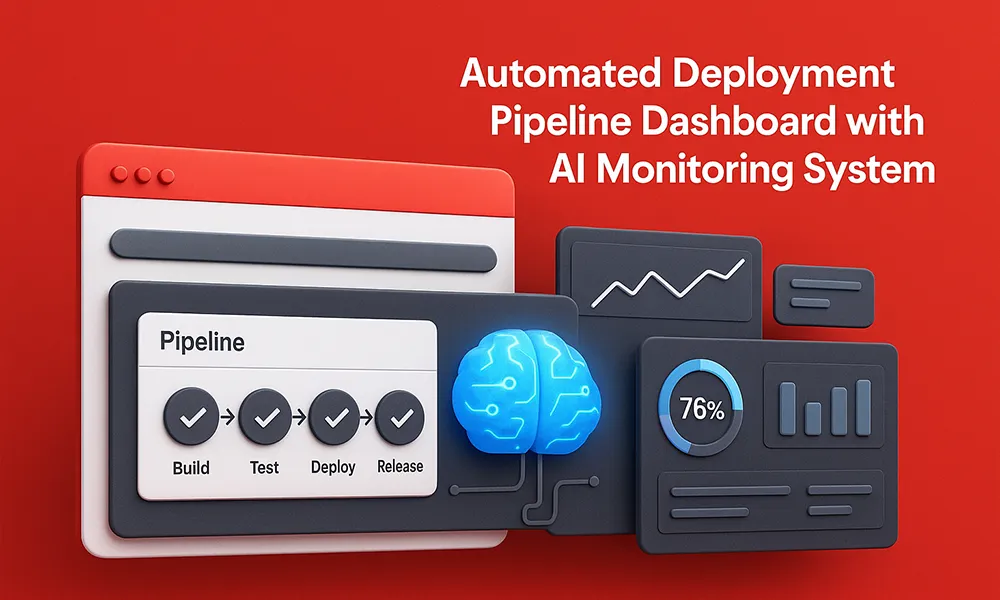
In 2025, efficiency defines success in web development. Every leading digital team uses workflow automation to streamline processes — from code versioning to deployment.
But when AI and automation integrate, workflows evolve from reactive to predictive.
Examples:
- Automated testing frameworks detect and fix performance issues before deployment.
- AI-powered analytics predict potential code failures and optimize runtime environments.
- Continuous integration (CI/CD) pipelines use machine learning feedback loops to refine operations automatically.
This creates a seamless, intelligent ecosystem that minimizes downtime, improves quality, and accelerates delivery timelines.
AI in Analytics and Predictive Analytics
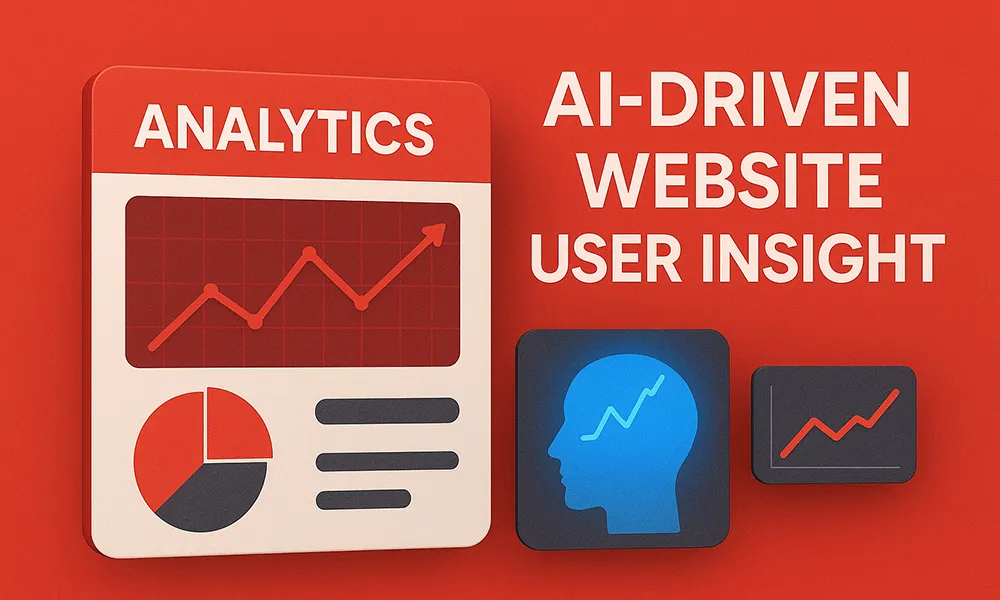
In modern web development, data is the backbone of success. With predictive analytics powered by AI automation, businesses can anticipate visitor intent before users even click.
How It Works:
- Machine-learning models track user paths, engagement depth, and conversion funnels.
- AI dynamically adjusts headlines, CTAs, or images for higher conversions.
- Predictive models reduce manual A/B testing time by over 70%.
By applying predictive analytics, websites become self-optimizing — delivering customized experiences that increase retention and ROI.
Automated Testing and Quality Assurance
A strong website isn’t built once — it’s maintained continuously. AI automation now plays a key role in testing and quality assurance (QA), scanning pages for broken links, missing alt tags, performance lags, and accessibility issues.
Advantages:
- Saves hundreds of QA hours every month
- Detects bugs and inconsistencies in real-time
- Ensures full cross-browser and device compatibility
- Improves accessibility, ensuring compliance with SEO and ADA standards
By automating testing, businesses can deliver flawless, consistent digital experiences that meet global standards.
Adaptive and Intelligent Website Architecture
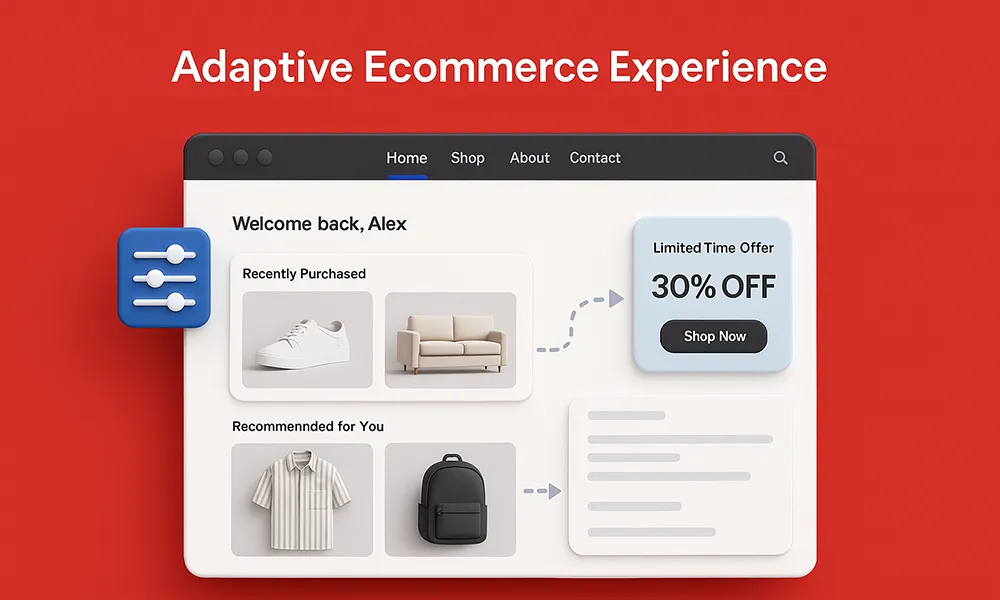
The future of web architecture is adaptive. Through AI-driven UX personalization, websites now learn from user interactions to deliver tailored content and layouts.
For example, an e-commerce brand using AI and automation can dynamically change product recommendations, pricing, and visuals based on user behavior, preferences, and time of day. These adaptive websites act like living organisms — adjusting in real-time to serve every visitor exactly what they need.
Content Creation with AI Automation

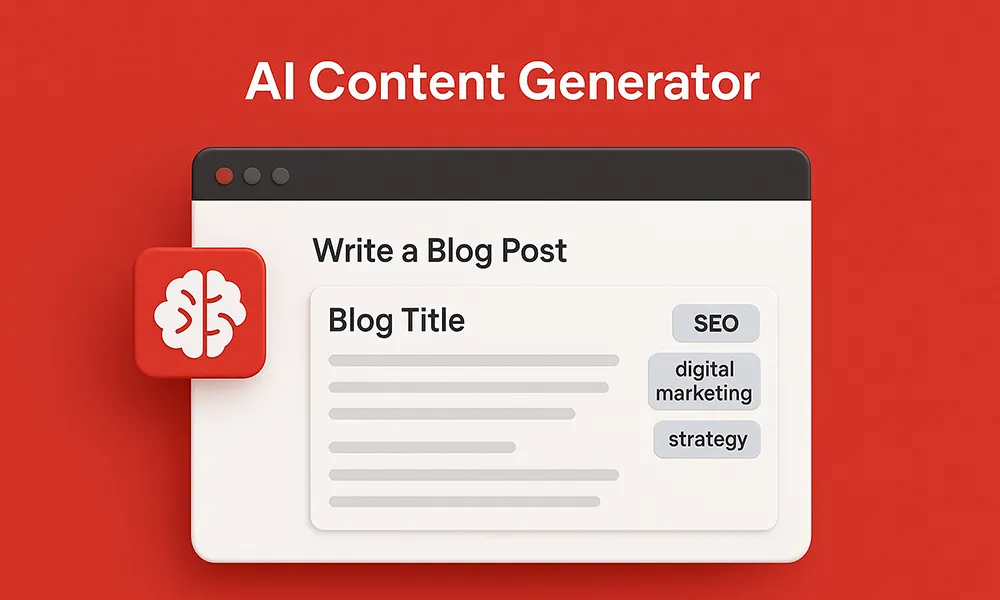
Creating content has traditionally been time-consuming, but with AI automation, that’s changing. AI tools can now draft blogs, product descriptions, and FAQs in minutes — while maintaining consistency in tone, SEO optimization, and structure.
Smart Workflows:
- AI suggests internal link placement for better SEO
- Auto-generates schema markup for search visibility
- Uses NLP analytics to track and improve content performance
This synergy between automation and AI ensures businesses publish high-quality, on-brand content at scale without sacrificing authenticity.
Voice AI & Chatbots for Customer Experience

Websites are no longer one-way platforms. Thanks to AI and automation, chatbots and voice assistants can now handle customer interactions seamlessly.
Benefits for Businesses:
- 24/7 customer support availability
- Consistent communication tone and quick resolutions
- Improved lead generation through interactive conversations
With tools like ChatGPT-based chatbots, businesses enhance customer retention and satisfaction while saving on operational costs.
Real-World Use Case: How Businesses Benefit
A logistics company collaborated with Xsquare to rebuild its outdated site using AI automation and intelligent web design.
Within 30 days:
- Page load time improved by 45%
- Conversion rates increased by 38%
- A predictive AI engine suggested content updates that boosted seasonal engagement
This case highlights how adopting AI and automation transforms not just website performance — but overall business growth.
The Future of AI and Automation in Business Website Development

The line between AI automation and human creativity is blurring fast. Soon, fully automated AI systems will design, deploy, and optimize websites in real-time — powered by behavioral analytics and natural language processing.
By partnering with experts like Xsquare, businesses can translate these innovations into measurable success:
- Enhanced user experiences
- Smarter performance tracking
- Continuous, data-driven growth
Ready to Build Smarter Websites with Xsquare?
Your next website shouldn’t just look good — it should think smart.
Let Xsquare integrate AI and automation into your digital ecosystem, streamlining workflows, boosting personalization, and unlocking limitless scalability.