

Introduction: The Evolution of Modern Web Design
In 2025, the web design trend landscape has evolved from being purely visual to being experiential. A modern website is no longer a static digital brochure — it has become a living, interactive ecosystem where design, technology, and user experience (UX) merge seamlessly to inspire trust and drive conversions.
At XSquare, we have analyzed thousands of websites designing patterns and implemented strategies that redefine digital creativity for the next generation. This article explores the latest website design trends 2025, blending cutting-edge aesthetics, intelligent automation, and emotional storytelling to help brands stand out in an overcrowded digital world.
Our mission is simple — to help you build future-ready, performance-driven, and visually stunning websites that connect deeply with real humans, not just algorithms.
Bold Typography & Fluid Layouts

Typography has become one of the most defining web trends shaping digital identity in 2025. Bold fonts, kinetic text, and fluid grid layouts are used to express creativity, confidence, and brand personality.
Why it works:
- Instantly grabs attention and builds memorability
- Enhances visual hierarchy and readability
- Pairs perfectly with minimalist design systems
Dark Mode & Minimalism Web Design

Minimalism web design continues to dominate the design space, but with a new dimension — the rise of dark mode. In 2025, users are drawn to sleek, dark-themed interfaces that blend luxury with usability.
Why it works:
- Improves readability and reduces eye strain
- Enhances focus by minimizing distractions
- Conserves battery life on OLED screens
- Provides a futuristic, premium aesthetic
The combination of minimalism in web design and dark mode results in an elegant, professional, and performance-optimized interface that resonates with both creativity and practicality.
AI Web Design & Intelligent Personalization
2025 marks the rise of AI web design — a new era where websites adapt dynamically to user preferences. AI tools now analyze visitor behavior, optimize layouts in real time, and generate personalized experiences.
Applications include:
- Smart landing pages that adapt to user location or interests
- Automated color palette and layout testing
- Chatbots that seamlessly blend into interface design
AI-driven personalization ensures that every user’s journey feels tailored, meaningful, and human-like. This trend empowers brands to deliver emotion-driven content with data-backed precision.
3D Visuals & Interactive Experiences

Interactive 3D design has quickly become one of the most captivating website design trends. Thanks to browser technologies like WebGL and Three.js, even small brands can integrate immersive visuals and animations once reserved for tech giants.
Why it matters:
- Deepens emotional engagement through realism
- Extends time-on-site and boosts retention
- Perfect for portfolios, eCommerce, and product showcases
A good websites design now integrates 3D elements that are not just decorative but also functional, guiding the user through an interactive narrative.
Micro-Interactions in Design
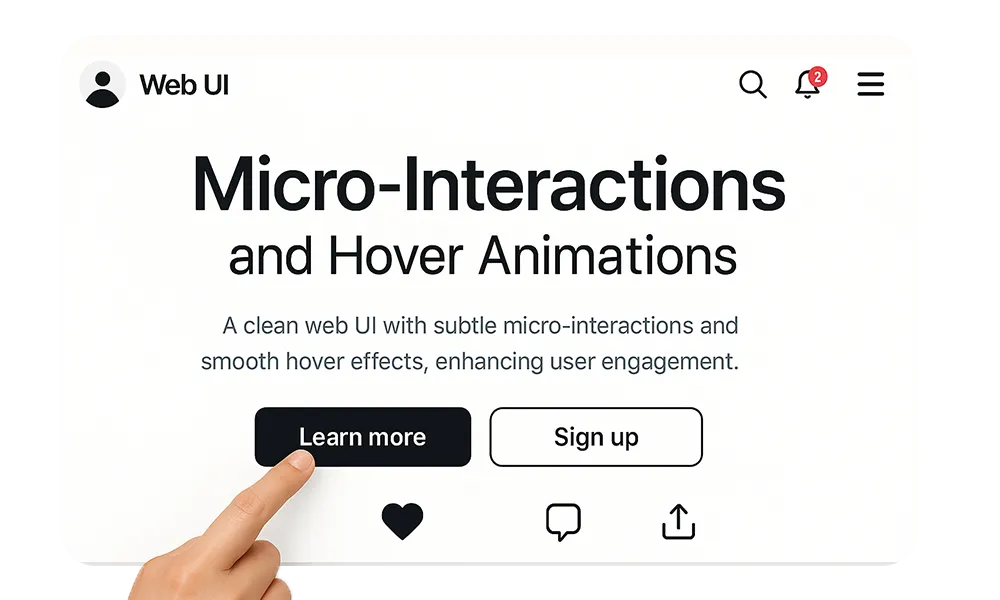
Small details create big impact. Micro-interactions in design are subtle yet powerful animations that make websites feel alive. From hover effects to animated icons and scroll indicators, these tiny motions enhance usability and engagement.
Technical Tip:
Use lightweight CSS or Lottie animations to maintain performance and avoid excessive load times.
Inclusive, Responsive, and Accessible Websites

In 2025, inclusivity is not optional — it’s a design responsibility. Brands that prioritize responsive and accessible websites are rewarded with better engagement, trust, and higher Google rankings.
Checklist:
- Ensure proper color contrast and readable font sizes
- Add descriptive alt tags to all images
- Enable keyboard and screen-reader navigation
- Build mobile-first responsive layouts
A web-design that embraces accessibility opens doors to a wider audience while improving SEO and user satisfaction.
Sustainable & Lightweight Web Design

Speed, efficiency, and environmental responsibility now define the best web designs. By optimizing performance and reducing unnecessary assets, brands can create websites that are not only fast but also eco-friendly.
Technical Tips:
- Use modern image formats like WebP
- Apply lazy loading for media-heavy pages
- Leverage caching and reduce server requests
A sustainable web design strategy shows that your brand cares about both user experience and the planet.
Story-Driven Layouts & Emotional Design

Websites are no longer static pages — they’re digital stories. A story-driven layout uses emotion, movement, and narrative flow to lead users through your brand journey.
How it helps:
- Enhances engagement and session duration
- Builds emotional resonance with visitors
- Drives conversions through guided storytelling
UX-Focused Web Design & Data-Driven Decisions
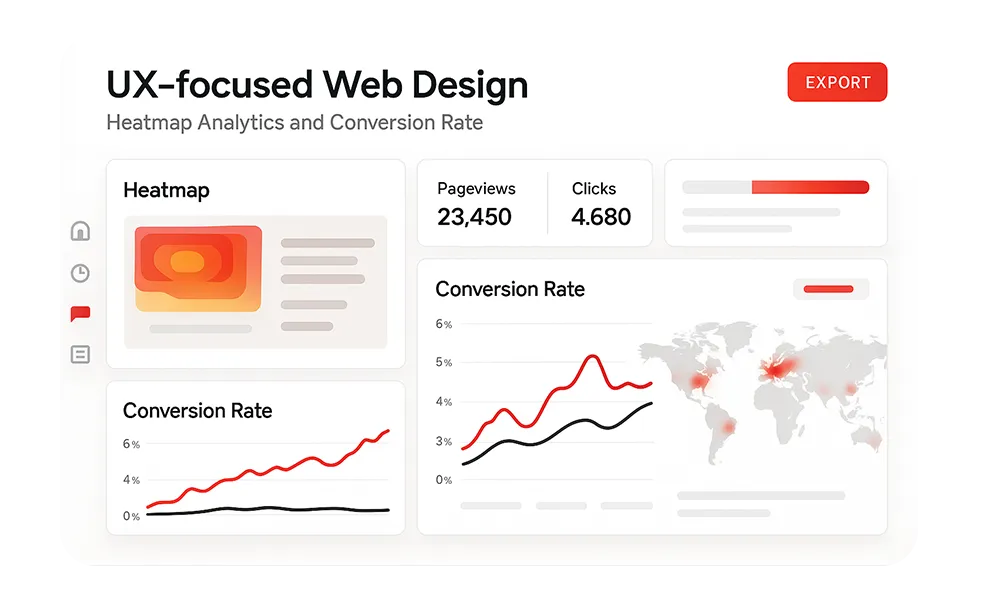
A modern UX-focused web design relies on insights, not assumptions. Data analytics, heatmaps, and A/B testing help designers understand how users interact and what truly converts.
Practical Applications:
- Monitor user clicks, scrolls, and attention maps
- Experiment with different hero sections and CTAs
- Continuously refine pages based on engagement metrics
This trend bridges creativity and science, ensuring that every visual choice supports business goals.
Future-Ready Websites (Technical + Secure)

The future of design is performance-driven. A future-ready website must be fast, secure, and scalable. With Google’s evolving Core Web Vitals (LCP, INP, CLS), performance has become a major ranking factor.
Checklist:
- Use CDN for fast content delivery
- Implement HTTPS and frequent security updates
- Follow Core Web Vitals for technical compliance
- Build modular systems that scale with your growth
Step-by-Step Setup Guide (For Businesses)
- Audit your website’s performance and design quality.
- Identify weak spots and outdated layouts.
- Choose 3–4 trends from this list that fit your brand.
- Use AI tools like Figma and Midjourney for prototyping.
- Analyze UX data using heatmaps and A/B tests.
- Optimize for SEO using Google’s latest AEO standards.
- Publish, monitor, and refine continuously.
Real-World Use Cases (XSquare Clients)
- A fashion eCommerce brand achieved +62% engagement after adopting minimalism web design.
- A SaaS startup improved conversions by 34% through AI web design personalization.
- A creative agency reduced load time by 47% using sustainable web design techniques.
Each project followed XSquare’s framework: audit → design → automation → optimization.
Final Thoughts
2025 isn’t about chasing every new web design trend — it’s about creating digital experiences that balance beauty, intelligence, and trust.
At XSquare, we craft future-ready websites that perform flawlessly across devices and deliver measurable results.
Want to upgrade your website?
Contact XSquare today and transform your digital presence into a world-class experience.
Frequently Asked Questions (FAQs)
Q1. What is the biggest web design trend in 2025?
The leading trends are AI-powered personalization and minimalism web design, shaping the way brands communicate visually.
Q2. How does web design impact SEO?
A good web design trend ensures mobile optimization, faster page loading, and accessibility — all critical for SEO success.
Q3. Why is responsive web design important?
Because responsive web design adapts content seamlessly across all devices, enhancing usability and retention.
Q4. What is minimalism in web design?
Minimalism in web design removes visual clutter, emphasizing clarity, whitespace, and performance efficiency.
Q5. How do I choose the best web designs for my brand?
Focus on UX-focused web design that reflects your brand’s story, visual tone, and strategic objectives.