
Graphic design continues to shape how brands communicate, connect, and compete in an increasingly visual world. In 2026, graphic design is no longer just about aesthetics—it is about purpose, clarity, accessibility, and emotional connection. Brands that understand and adopt modern graphic design trends gain a competitive edge by building trust, improving recognition, and delivering meaningful experiences across digital and physical platforms.
This article explores the top graphic design trends of 2026, why captivating graphic designs matter more than ever, and how businesses can apply these trends effectively to strengthen brand identity and long-term growth.
Importance of Captivating Graphic Designs

Graphic design is one of the most powerful tools in modern branding and marketing. A strong visual identity helps businesses communicate values instantly, influence perception, and remain memorable in crowded markets.
In 2026, consumers expect design to be:
- Clear and purposeful
- Emotionally engaging
- Accessible to all users
- Consistent across platforms
High-quality graphic design improves brand recognition, enhances user experience, increases engagement, and supports marketing performance. Whether it’s a logo, website, packaging, or social media visual, design directly impacts how a brand is perceived. At XSQUARE, graphic design is approached as a strategic asset—not decoration—ensuring visuals support business goals while maintaining creative integrity.
Top Graphic Design Trends in 2026
1. AI-Enhanced Design Practices
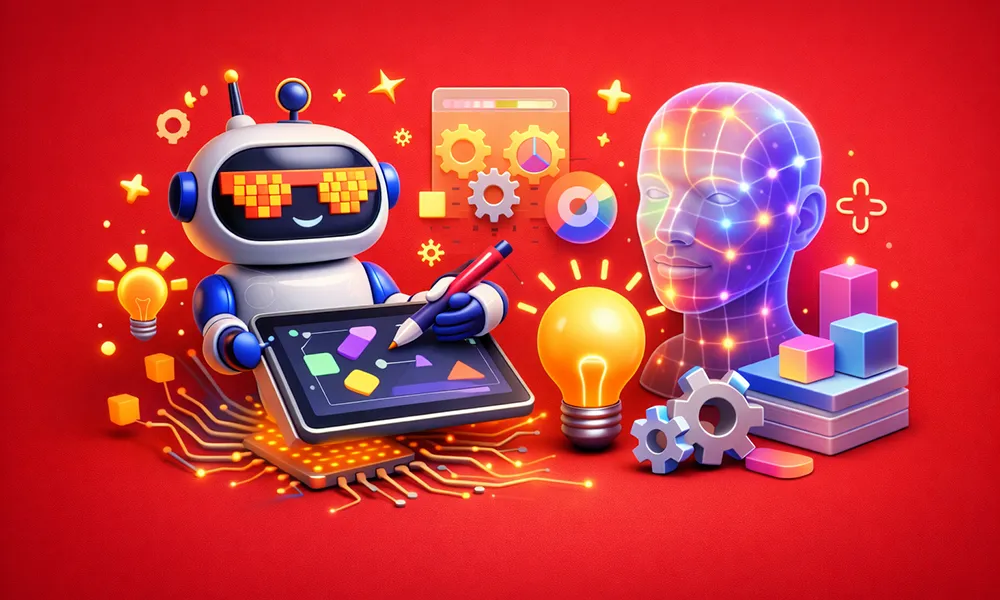
Design tools are becoming smarter, but creativity remains human-driven. In 2026, designers use intelligent tools to speed up workflows, explore variations, and refine concepts—but final decisions still rely on human judgment, taste, and strategy.
AI-enhanced design practices help with:
- Faster layout exploration
- Color palette testing
- Typography pairing
- Image enhancement
The key trend is efficiency without losing originality. Brands that balance technology with creativity achieve better consistency and scalability without compromising identity.
Examples of Best Practices for Brand Identity Design
Strong brand identity design remains foundational in 2026. Best practices include:
- Clear logo systems
- Consistent typography
- Defined color usage
- Flexible design guidelines
Brand identity is no longer static. It must adapt across websites, mobile apps, packaging, and digital campaigns while staying recognizable. Designers now build dynamic identity systems that evolve without losing coherence.
2. Accessible and Inclusive Designs
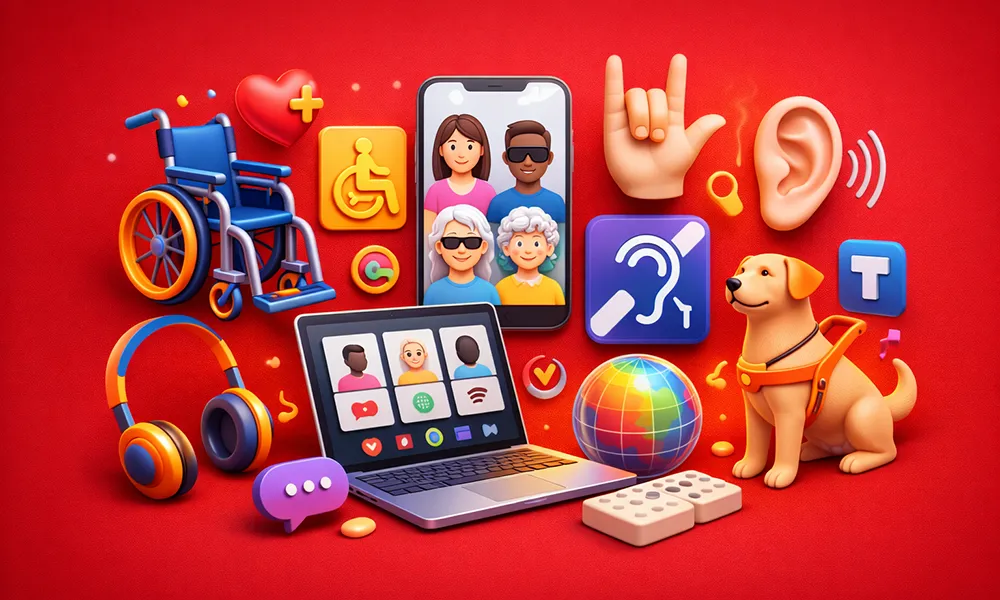
Accessibility is no longer optional. Inclusive graphic design ensures content is usable by everyone, including people with visual, auditory, or cognitive differences.
Accessible design improves:
- Readability
- Usability
- Brand trust
- Compliance with global standards
Checklist: Accessible Design Basics
- High color contrast
- Readable font sizes
- Clear visual hierarchy
- Simple iconography
- Descriptive imagery
- Avoiding visual overload
Inclusive design expands reach and demonstrates responsibility—an expectation rather than a trend in 2026.
3. Digital Scrapbooking
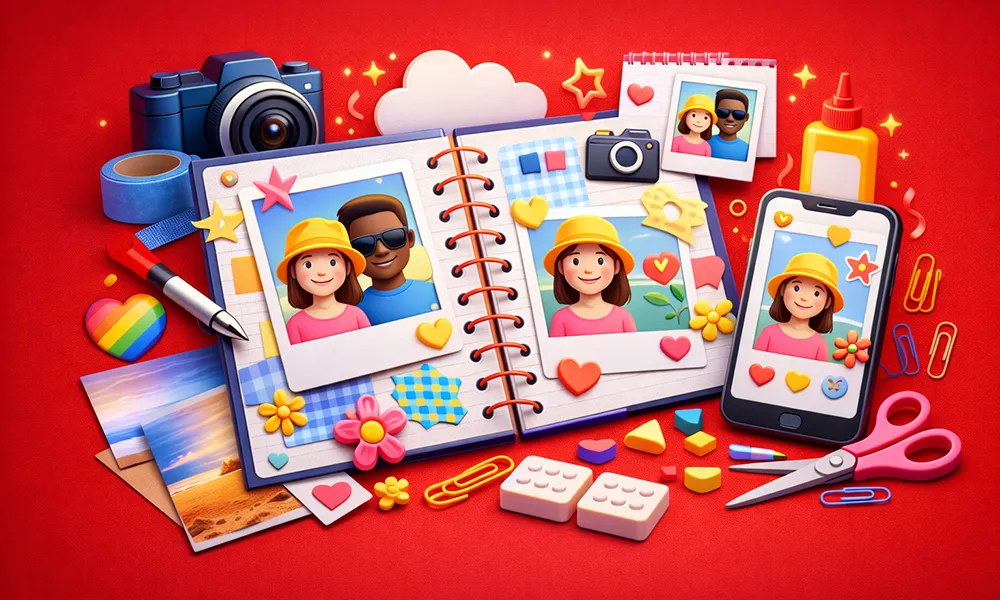
Digital scrapbooking blends layered visuals, textures, cut-out elements, handwritten styles, and collage-like compositions. This trend brings warmth, authenticity, and personality to digital design.
Brands use digital scrapbooking to:
- Humanize their visuals
- Tell emotional stories
- Stand out from polished minimal layouts
This style works particularly well in social media graphics, editorial layouts, and creative campaigns where authenticity matters more than perfection.
4. Minimalist Maximalism

Minimalist maximalism combines simplicity with expressive elements. Designers use clean layouts but introduce bold visuals, unexpected color combinations, and statement typography.
This trend balances:
- White space with visual impact
- Structure with creativity
- Simplicity with personality
Minimalist maximalism allows brands to remain modern while expressing individuality—ideal for businesses wanting to stand out without overwhelming users.
5. High Contrast and Bold Typography

Typography plays a leading role in 2026 graphic design. Designers favor bold, high-contrast typography that commands attention and improves readability across devices.
This trend includes:
- Large headlines
- Strong font pairings
- High contrast color usage
- Clear typographic hierarchy
Bold typography enhances brand voice and ensures messages are instantly understood, especially in digital environments where attention spans are short.
6. Dynamic Branding and Personalization

Static branding is being replaced by adaptable design systems. Dynamic branding allows visuals to shift based on context, audience, or platform while maintaining brand consistency.
Personalized design improves:
- User engagement
- Brand relevance
- Emotional connection
Brands now tailor visuals for different user segments, campaigns, and channels—making design feel more personal and responsive.
7. Retro Psychedelic Design
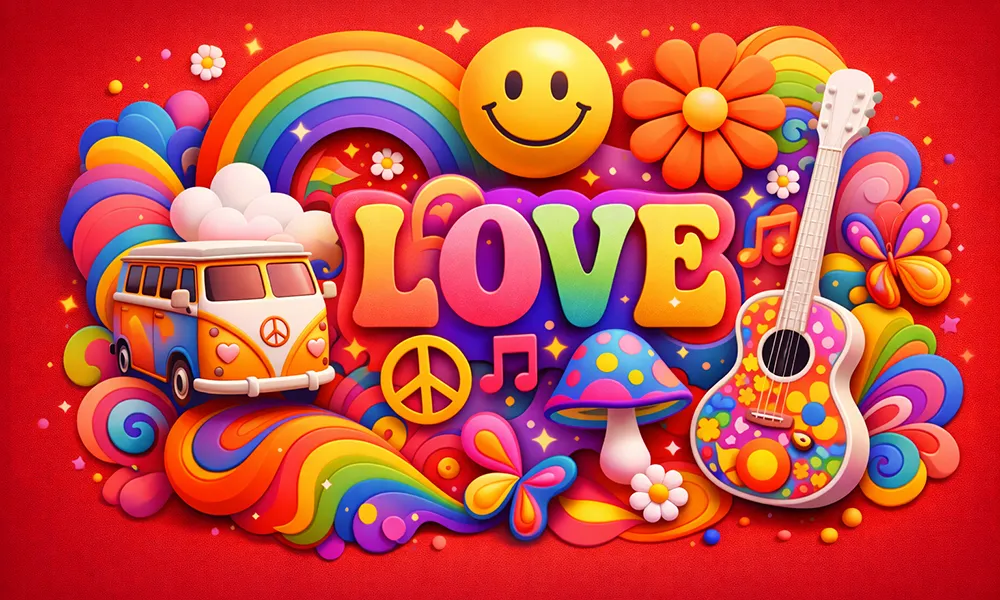
Retro psychedelic design draws inspiration from vibrant color palettes, fluid shapes, and nostalgic patterns. In 2026, this trend returns with a refined, modern approach.
Brands use retro psychedelic styles to:
- Evoke emotion and nostalgia
- Create bold visual impact
- Differentiate from minimal corporate styles
This trend works best for creative industries, entertainment brands, and campaigns focused on emotional storytelling.
8. Zero-Waste Design
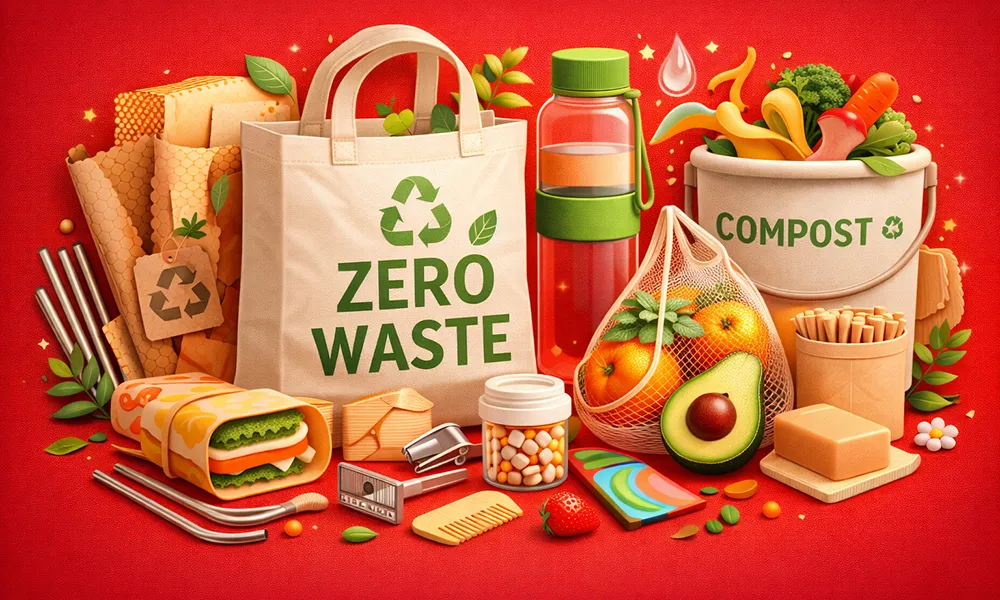
Sustainability influences design choices more than ever. Zero-waste design focuses on minimal resource use, reusable assets, and efficient production.
This approach includes:
- Simple layouts
- Reduced color usage
- Sustainable packaging design
- Digital-first visuals
Eco-conscious graphic design reflects brand values and appeals to environmentally aware audiences.
9. 3D Objects and Motion

3D design and motion graphics continue to grow in popularity. Designers use 3D elements to add depth, realism, and interaction to digital experiences.
Common applications include:
- Website visuals
- Product presentations
- Branding elements
- Social media animations
Motion enhances storytelling and engagement, making designs feel alive and immersive.
10. AR and VR in Graphic Design

Augmented reality (AR) and virtual reality (VR) are expanding creative possibilities. In 2026, brands use AR and VR to create interactive experiences that go beyond static visuals.
Applications include:
- Interactive packaging
- Virtual showrooms
- Immersive brand experiences
While not required for every brand, AR and VR design provide innovative ways to engage audiences and differentiate in competitive markets.
Why These Graphic Design Trends Matter for Brands

Adopting modern graphic design trends helps brands:
- Stay visually relevant
- Improve user experience
- Strengthen brand identity
- Increase engagement
- Build trust and recognition
Design trends should never be followed blindly. The most successful brands selectively apply trends that align with their identity, audience, and goals. At XSQUARE, graphic design strategies focus on combining creativity with clarity—ensuring designs are not only visually impressive but also purposeful and effective.
Conclusion
Graphic design in 2026 is about balance—between creativity and usability, innovation and accessibility, expression and clarity. The brands that succeed are those that treat graphic design as a strategic investment rather than a visual afterthought.
By embracing trends such as inclusive design, bold typography, dynamic branding, and sustainable practices, businesses can build stronger visual identities that resonate with modern audiences and support long-term growth.
Frequently Asked Questions (FAQ)
Accessible and inclusive design stands out as the most important trend, ensuring usability for all audiences.
They influence how a brand is perceived, remembered, and trusted across digital and physical platforms.
No. Brands should adopt trends that align with their identity, audience, and business goals.
Yes, especially when combined with expressive elements through minimalist minimalism.
Strong design improves engagement, recognition, and conversion by enhancing clarity and emotional connection.